
How to Choose the Best Payroll Software in South Africa (Compared)
- Fingo HR

- Jan 30
- 5 min read
Running payroll in South Africa isn't just about paying people on time. It's about staying on the right side of SARS, keeping up with ever-changing tax legislation, and making sure your EMP201 submissions don't keep you up at night. If you're still wrestling with spreadsheets or clunky desktop software, you already know the pain.
The good news? The best payroll software in South Africa has come a long way. Cloud-based solutions now handle the heavy lifting: from instant calculations to automated compliance: so you can focus on actually running your business.
But with so many options out there, how do you choose? Let's break it down.
Why Payroll Software Matters More Than Ever
South African businesses face a unique compliance landscape. Between UIF contributions, SDL levies, IRP5 certificates, and those monthly EMP201 submissions, there's zero room for error. Get it wrong, and you're looking at penalties, audits, and a whole lot of stress.
Manual payroll processes: or outdated systems: multiply these risks. They're slow, prone to human error, and often can't keep pace with SARS updates. That's why more businesses are switching to SARS compliant payroll software that automates the tricky stuff.
Beyond compliance, modern payroll software saves time. A lot of it. Instead of spending days on calculations and paperwork, you could be wrapping up payroll in minutes. That's not an exaggeration: it's what the right cloud payroll software actually delivers.
Traditional Payroll Systems vs Cloud Payroll Software
Before we compare specific platforms, let's talk about the two main approaches to payroll: traditional (desktop-based) systems and cloud payroll software.
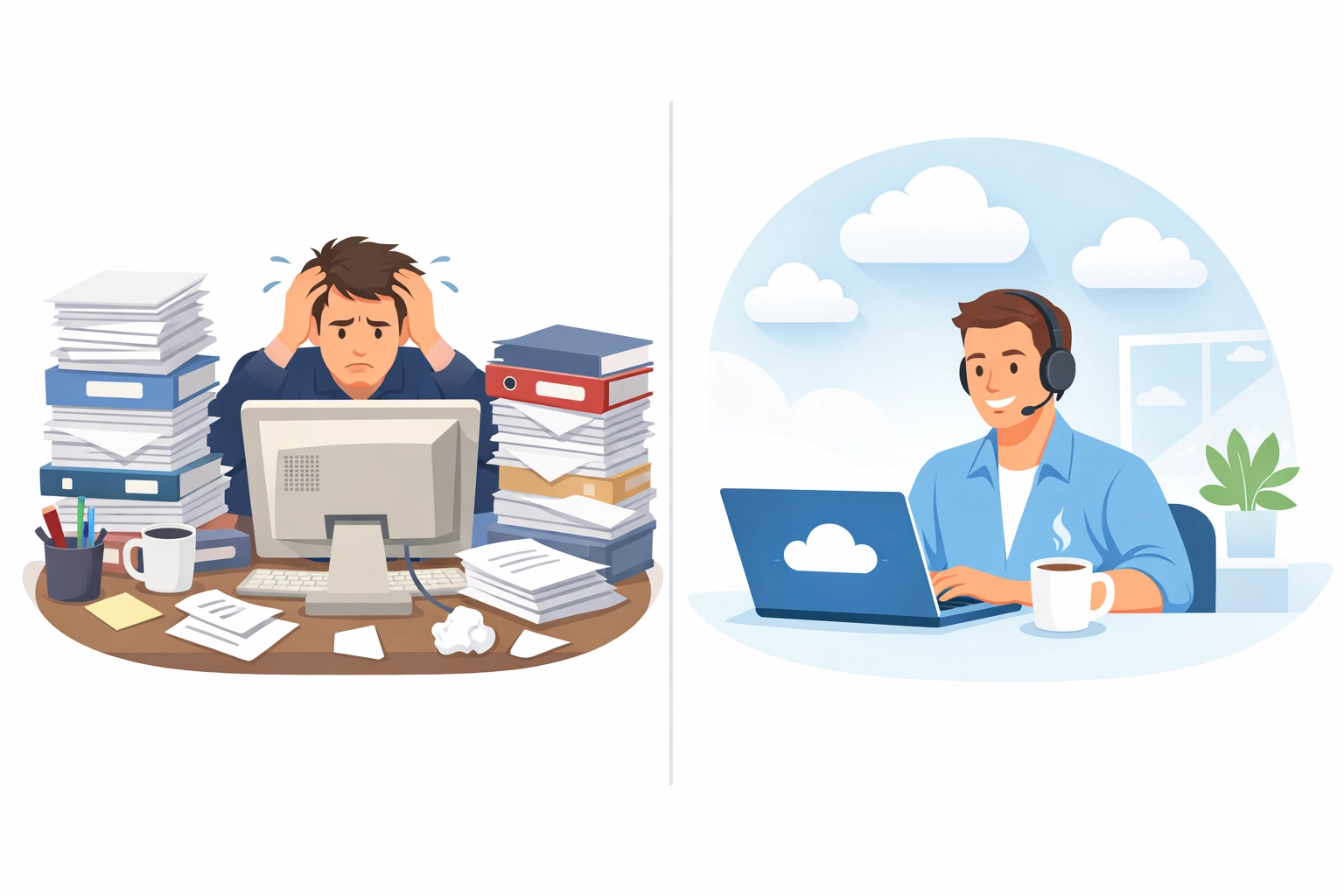
Traditional Desktop Systems
These are the old-school solutions installed on a single computer (or a few). They've been around for decades, and some businesses still swear by them. But they come with significant drawbacks:
Limited access: You can only run payroll from the machine where the software is installed.
Manual updates: Tax tables and compliance rules need to be updated manually: miss one, and you're out of compliance.
No real-time collaboration: Multiple users can't work simultaneously, and remote access is usually out of the question.
Data vulnerability: If that computer crashes and you haven't backed up, your payroll data goes with it.
Cloud Payroll Software
Cloud-based solutions store everything online, accessible from any device with an internet connection. Here's why they're becoming the standard for payroll software in South Africa:
Access from anywhere: Run payroll from the office, home, or your phone.
Automatic updates: Compliance changes (like new SARS requirements) are pushed automatically: no manual intervention needed.
Real-time collaboration: Multiple team members can access the system simultaneously.
Built-in security and backups: Your data is encrypted and backed up in the cloud.
For most South African businesses, the shift to cloud payroll software is a no-brainer. The flexibility, security, and compliance benefits far outweigh the comfort of sticking with what you know.
Key Features to Look for in Payroll Software
Not all payroll platforms are created equal. When evaluating your options, here's what to prioritise:
1. SARS Compliance
This is non-negotiable. Your software must handle:
EMP201 monthly submissions
EMP501 bi-annual reconciliations
UIF file generation
IRP5 and IT3(a) certificate generation
Look for platforms that automate these processes and stay updated with the latest SARS requirements. The last thing you want is to discover your software is out of date when submission deadlines loom.
2. Instant Calculations
Waiting days for payroll processing is a thing of the past. The best payroll software in South Africa delivers instant calculations: you input the data, and the system handles gross-to-net calculations, deductions, and tax in real time.
3. Employee Self-Service Portal
Giving employees access to their own payslips, leave balances, and personal information reduces admin overhead dramatically. Instead of fielding requests for payslip copies or updating addresses manually, employees handle it themselves through a secure portal.

4. Integrations
Your payroll software shouldn't exist in a vacuum. Look for platforms that integrate with your accounting software (like Xero), HR systems, and banking. Seamless data flow between systems eliminates double-entry and reduces errors.
5. Data Migration Support
Switching payroll providers can feel daunting, especially if you have years of employee data to transfer. Choose a provider that offers data migration services to make the transition smooth and stress-free.
6. Scalability
Whether you have 5 employees or 500, your software should scale with you. Flexible pricing models: typically per employee, per month: let you pay for what you need without locking into expensive enterprise contracts.
Comparing Payroll Software Options in South Africa
Let's look at how some popular options stack up:
Software | Best For | Strengths | Considerations |
KarbonPay | SMEs wanting speed, compliance, and simplicity | Instant calculations; full SARS compliance (EMP201/501, UIF, IRP5); employee self-service portal; Xero integration; data migration support; cloud-based | Focused on South Africa |
SimplePay | SA-only SMEs | Strong SARS compliance; intuitive interface | Limited to South Africa; fewer integrations |
Sage Payroll | Small to large businesses | Accounting integration; range of reporting features | Interface can be complex |
Workpay | Businesses expanding across Africa | Multi-country support; mobile-first | May be overkill for SA-only operations |
Deel | Companies with international staff | Global payroll and EOR services | Less optimised for SA-specific compliance |
For businesses operating primarily in South Africa and looking for a fast, compliant, and user-friendly solution, KarbonPay ticks all the boxes.
What Sets KarbonPay Apart
Let's be specific about why KarbonPay stands out for South African businesses:
Instant Payroll Processing
No more waiting days for calculations. KarbonPay processes payroll instantly, so you can run pay runs, make adjustments, and see results in real time. It's payroll at the speed your business actually moves.
Built-In SARS Compliance
KarbonPay is designed from the ground up for South African compliance. EMP201 submissions, EMP501 reconciliations, UIF files, and IRP5 certificates are all generated automatically. When SARS updates requirements, KarbonPay updates too: no manual patches required.
Employee Self-Service Portal
Employees can log in to view payslips, update personal details, and access their tax certificates. This reduces admin queries and empowers your team to manage their own information securely.
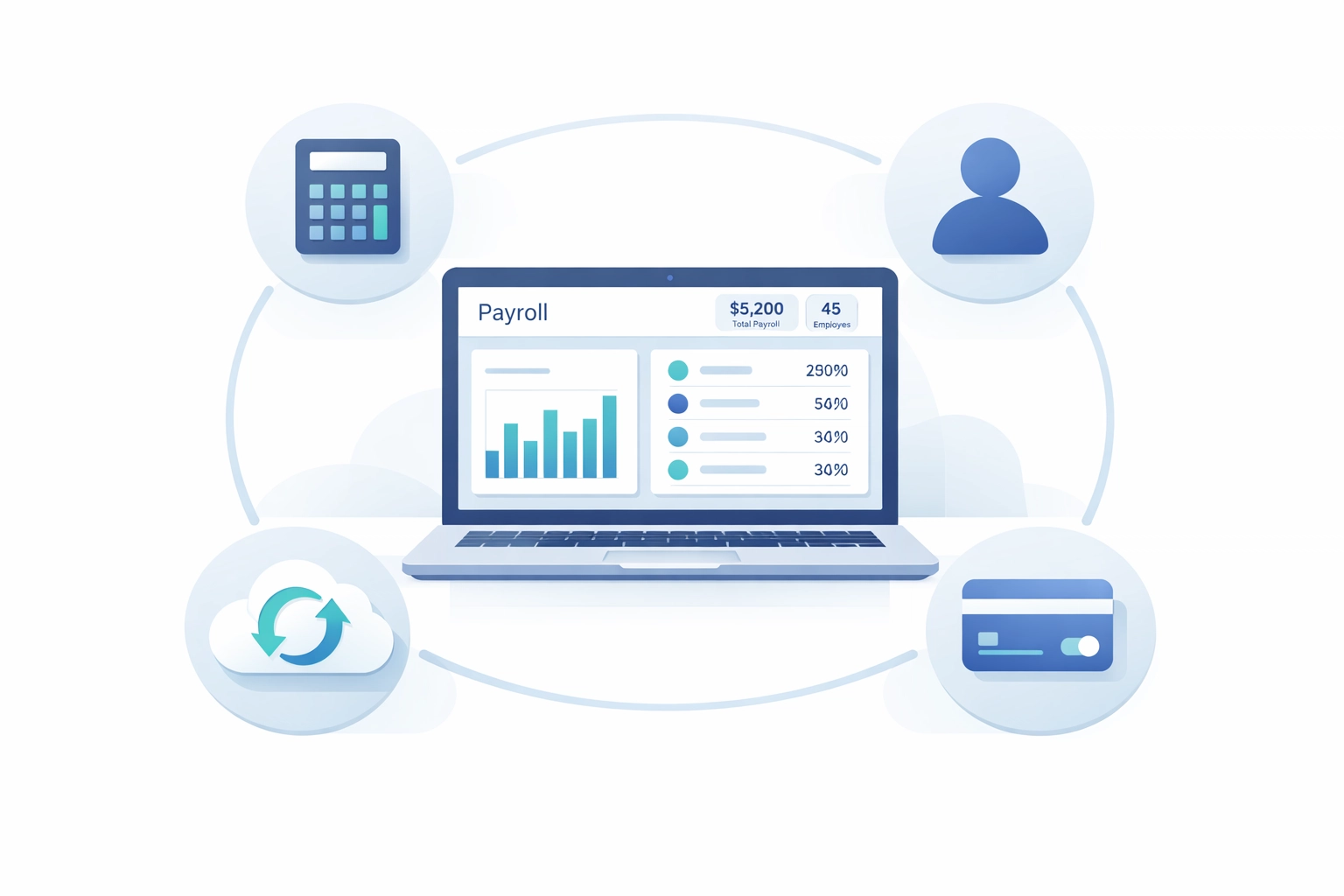
Xero Integration
If you're using Xero for accounting, KarbonPay integrates directly, syncing payroll journals and reducing manual data entry. Check out the Xero integration page for more details.
Data Migration Services
Worried about switching? KarbonPay's team handles data migration for you, ensuring your employee records, leave balances, and historical data transfer seamlessly.
Cloud-Based Access
Access your payroll from anywhere: office, home, or on the go. All you need is an internet connection. Your data is securely stored and backed up, so you're never at risk of losing critical information.
How to Make the Switch
Ready to move to a modern payroll solution? Here's a simple roadmap:
Evaluate your needs: List your must-have features (compliance, integrations, employee self-service, etc.).
Request demos or trials: Most providers, including KarbonPay, offer free trials so you can test the platform before committing.
Plan your migration: Work with your new provider to migrate historical data and set up your employee records.
Train your team: Take advantage of resources like how-to videos to get up to speed quickly.
Go live: Run your first payroll and enjoy the time you've just saved.
Final Thoughts
Choosing the best payroll software in South Africa comes down to compliance, ease of use, and how well the platform fits your business. Cloud payroll software has fundamentally changed what's possible: instant calculations, automated SARS submissions, and employee self-service are now the baseline, not the exception.
If you're tired of slow, error-prone payroll processes and want a solution built specifically for South African compliance, give KarbonPay a try. Your payroll: and your sanity( will thank you.)
Comments