
The Ultimate Guide to SARS Payroll Compliance (EMP201, EMP501, and UIF)
- Fingo HR
- Feb 10
- 5 min read
Let's be honest, dealing with SARS paperwork isn't exactly anyone's idea of a good time. But if you're running a business in South Africa with employees on your payroll, getting your tax submissions right isn't optional. Miss a deadline or submit incorrect data, and you're looking at penalties that can seriously hurt your bottom line.
The good news? Once you understand what's required (and maybe get the right tools to automate the heavy lifting), SARS compliance becomes a whole lot less scary. Let's break down the three big ones: EMP201, EMP501, and UIF, and how to stay on the right side of the taxman.
What Is EMP201? (Your Monthly Payroll Tax Return)
Think of the EMP201 as your monthly check-in with SARS. This is the form where you report all the payroll taxes you've collected from your employees, PAYE (Pay-As-You-Earn), UIF contributions, and Skills Development Levy (SDL) if applicable.
Here's what you need to know:
Due date: The 7th of the month following your payroll period. So if you pay salaries on the 25th of January, your EMP201 is due by 7 February.
Always file, even if it's zero: Even if you didn't withhold any tax that month (maybe everyone was on unpaid leave?), you still need to submit a nil return. Skipping it entirely triggers penalties.
Registration first: Before you can file your first EMP201, you need to register with SARS as an employer. This should happen within 21 days of paying your first employee.

The form itself isn't complicated, it's basically a summary of what you've deducted from salaries. But remembering to file it on time, every single month? That's where businesses often slip up.
EMP501: The Annual Reconciliation That Actually Matters
If EMP201 is your monthly homework, then EMP501 is your final exam. This annual return reconciles all those monthly submissions you made throughout the tax year (which runs from March to February in South Africa).
Deadline: 31 October every year, no exceptions.
The EMP501 is where SARS double-checks that:
What you reported monthly adds up correctly
You've issued the right IRP5/IT3 certificates to employees
Employee tax reference numbers match what's on file
The Big 2026 Update You Can't Ignore
Starting this February (2026), SARS has tightened the screws significantly. Previously, if you submitted an EMP501 with missing or incorrect employee tax reference numbers, SARS would flag it and give you time to fix it. Not anymore.
Now, incomplete submissions get rejected outright. No grace period. No "we'll sort it out later." Your reconciliation simply won't go through until every single employee's tax number is valid.
What does this mean for you?
Audit your payroll data now, check for missing or incorrect tax reference numbers
Make sure new hires provide their tax numbers before their first payday
Run validation checks before submitting (or use software that does this automatically)
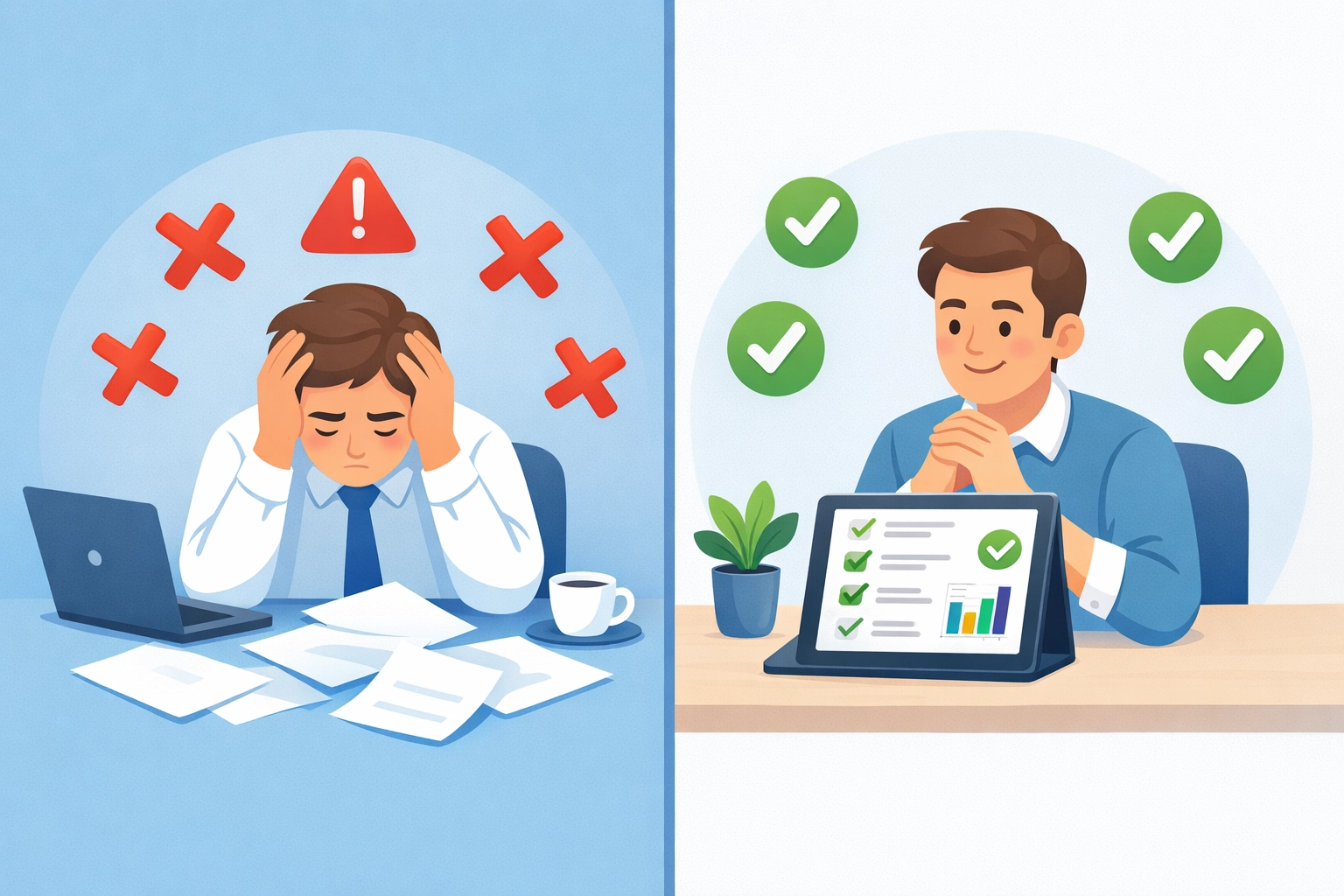
Getting rejected means scrambling to fix errors, resubmit, and potentially missing the October deadline, which triggers penalties. Prevention is way easier than damage control here.
UIF: The Safety Net Contribution
The Unemployment Insurance Fund (UIF) is South Africa's safety net for workers who lose their jobs, go on maternity leave, or face certain other life events. Both you (the employer) and your employees contribute.
How it works:
Employees contribute 1% of their monthly salary
Employers match that with another 1%
Only the first R17,712 per month (roughly R212,544 annually) counts toward UIF
So if an employee earns R30,000 a month, you only calculate UIF on R17,712. Anything above that threshold? No UIF.
The UIF contributions get reported and paid through your monthly EMP201, it's all bundled together, which keeps things relatively simple.
Important note: Not all workers qualify for UIF. Independent contractors, business owners, and foreign nationals on certain visa types are excluded. Make sure you're only deducting it from employees who are actually covered.
Other Payroll Contributions You Need to Know About
Skills Development Levy (SDL)
If your annual payroll exceeds R500,000, you're on the hook for SDL. This is a 1% levy on your total employee remuneration, and it funds training and skills development programmes in South Africa.
Unlike UIF, SDL is 100% employer-funded, you don't deduct anything from employee salaries. You simply calculate 1% of your total wage bill and include it in your monthly EMP201.

Compensation Fund (COIDA)
Every employer in South Africa must register with the Compensation Fund and pay an annual assessment. This covers workplace injuries and occupational diseases.
The amount you pay depends on:
Your total payroll
Your industry's risk classification (construction is riskier than office admin, for example)
COIDA isn't submitted through SARS, it goes directly to the Department of Labour. But it's still a mandatory payroll obligation, so don't forget about it.
What Happens If You Don't Comply?
SARS doesn't mess around when it comes to payroll tax. The penalties can add up fast:
Late or incorrect EMP201: 1% of your annual PAYE liability per month, capped at 10%. That might not sound like much, but on a R500,000 annual wage bill, you're looking at R5,000 per month in penalties.
Failure to register for PAYE or UIF: Potential prosecution. Yes, criminal charges are on the table.
Missing the EMP501 deadline: Administrative penalties, plus the mess of sorting out a late reconciliation while your employees wait for their tax certificates.
Rejected EMP501 (from 2026 onwards): No second chances: fix it and resubmit before the deadline, or face late filing consequences.
Beyond the financial hit, non-compliance damages your reputation. Employees need accurate IRP5s to file their personal tax returns. Mess that up, and you'll hear about it.
How Automation Saves You Time (and Penalties)
Here's the reality: manually tracking payroll taxes is a recipe for human error. Spreadsheets get messy. Deadlines get missed. Tax numbers get recorded incorrectly.
This is where payroll software like KarbonPay becomes a lifesaver. Instead of manually calculating PAYE, UIF, and SDL every month, the system does it automatically based on the latest SARS tax tables.
Even better? When it's time to file your EMP201, KarbonPay generates the return for you: pre-filled and ready to submit. Same goes for your annual EMP501. The software validates employee tax numbers before submission, so you won't get caught by those new 2026 rejection rules.

Automation also keeps a complete audit trail. If SARS ever queries something (and they do), you've got detailed records at your fingertips instead of hunting through emails and filing cabinets.
Final Thoughts: Stay Ahead of the Curve
SARS payroll compliance doesn't have to be a headache. Break it down into manageable pieces:
Submit your EMP201 by the 7th of every month
Reconcile everything with your EMP501 by 31 October
Keep UIF, SDL, and COIDA on your radar
Validate employee tax numbers now to avoid 2026 rejections
And if you're still doing this manually? It might be time to explore automation. Your future self (and your accountant) will thank you.
Got questions about your payroll setup? KarbonPay's team is always happy to chat about how we can simplify compliance for your business. Because running a company should be about growth( not stressing over SARS deadlines.)